Jividen Insurance Learning Center
Start with the questions that matter.
Plain-English guidance from Michael Jividen for Miami Valley families and Ohio business owners who want to understand their protection before they need it.
ClaimsWhen Should You File an Insurance Claim—and When Should You Reconsider?
Insurance is designed to help protect you from unexpected financial losses. However, that does not necessarily mean every minor incident should automatically become a claim.
Before deciding what to do, consider the severity of the damage, your deductible, potential liability, policy requirements, and whether the loss could become more serious later. Some situations should be reported promptly, while others may warrant a conversation with your insurance agent before proceeding.
It is important to distinguish between asking your agent about a situation and formally submitting a claim. Your agent can help explain the policy and reporting process, but only the insurance carrier can investigate the loss and make a coverage determination.
Read the Guide → 
Excess InsuranceWhat Does a Personal Umbrella Policy Cover?
Most people understand that auto and homeowners insurance include liability coverage. What may be less clear is whether those limits would be enough if a serious accident resulted in a major lawsuit.
A personal umbrella policy provides an additional layer of liability protection above the limits of certain underlying policies, such as homeowners and personal auto insurance. It is designed to help protect your income, savings, home, and other assets when a covered liability claim exceeds those underlying limits.
How Does an Umbrella Policy Work?
Imagine that you cause an auto accident resulting in severe injuries, and you are legally responsible for $750,000 in damages.
Read the Guide → 
Auto InsuranceTeen Drivers: How Families Can Prepare for the Insurance Impact
Watching your teenager earn a driver’s license is an exciting milestone—but it can also bring new responsibilities, safety concerns, and insurance costs for the entire family.
Teen drivers generally cost more to insure because they have limited driving experience and a higher likelihood of being involved in an accident. While parents may not be able to avoid every increase, planning ahead can make the transition easier and help keep coverage affordable.
Contact Your Insurance Agent Before Your Teen Starts Driving
Do not wait until your teenager is already licensed to contact your insurance agent. Requirements can vary depending on the carrier and whether your teen has a temporary permit or a full driver’s license.
Read the Guide → 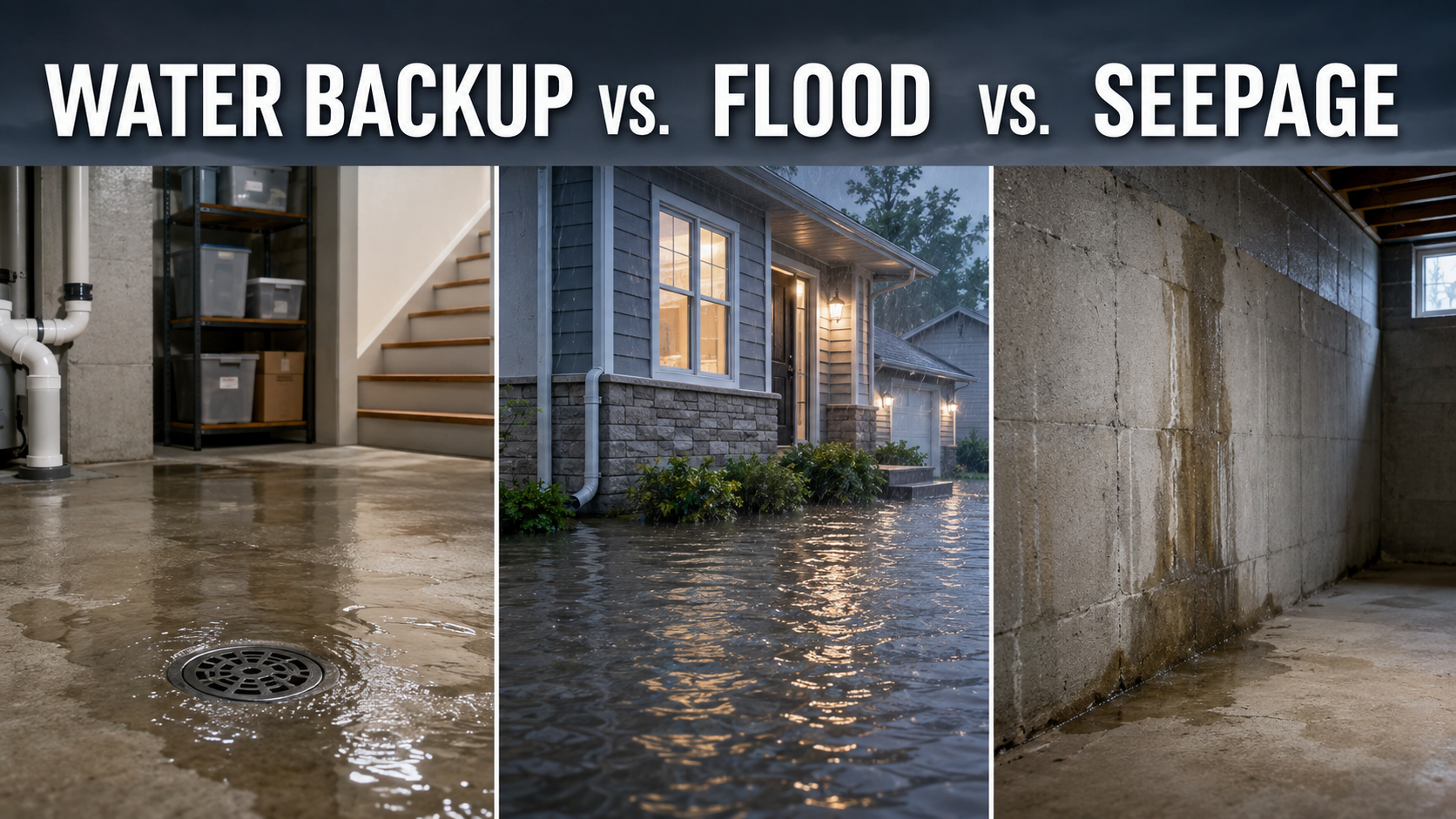
Optional CoveragesWater Backup, Flood, and Seepage: What’s the Difference?
Water damage is one of the most common—and misunderstood—risks facing homeowners. Many people assume that if water enters their home, their homeowners insurance will automatically cover the damage.
Unfortunately, it isn’t always that simple.
Whether a loss is covered can depend on where the water came from, how it entered the home, and whether the damage happened suddenly or developed over time. Three terms homeowners should understand are water backup, flood, and seepage.
Although each can leave water in your basement, insurance policies may treat them very differently.
Read the Guide → Personal InsuranceUnderstanding Your Home & Auto Coverage
A practical starting point for understanding limits, deductibles, liability, and the questions worth asking about everyday protection.
Read the Guide →Business InsuranceCommercial Auto & Everyday Business Risk
Why vehicles used for work deserve a business-specific coverage conversation—and where common gaps can develop.
Read the Guide →Tow Truck InsuranceTow Truck Insurance: Beyond Commercial Auto
A practical guide to the coverage conversations tow truck operators should have, including commercial auto, On-the-Hook, tow yards, and customer vehicles.
Read the Guide →Commercial AutoInsurance for Hot Shot & Vehicle Transport Operations
What vehicle transporters should discuss when reviewing commercial auto, transported property, drivers, trailers, radius, and other business exposures.
Read the Guide →Commercial AutoCommercial Auto Review Checklist for Business Owners
A practical checklist for businesses with work vehicles, fleets, employee drivers, hired vehicles, and changing commercial auto exposures.
Read the Guide →